If your ears feel blocked, it’s often caused by something simple and treatable, such as earwax build-up, fluid in the middle ear, Eustachian tube dysfunction (commonly following a cold, allergy, or flight), or occasionally an ear infection. In most cases, this sensation is temporary and nothing to worry about, though it can sometimes cause discomfort or mild hearing loss if left unresolved.
The good news is that most blockages clear naturally or respond well to simple care at home. However, if the blocked feeling persists, becomes painful, or affects your hearing, it’s best to seek professional advice to identify the cause and restore comfort.
At South East Hearing Care Centres, we offer safe, effective earwax removal using advanced microsuction and ear irrigation techniques. These professional procedures are designed to gently restore clear, healthy hearing without the risks associated with traditional ear syringing.
Book an earwax removal appointment with one of our experienced team members today. For more information about our professional services, call our branches.
You can reach Horsham on 01403 218 863, Chichester on 01243 774 536, Bexhill on 01424 733030, Eastbourne on 01323 726352 or Seaford on 01323 899 655.
What does a blocked ear feel like?
The sensation of a blocked ear can vary, but people often describe:
- Fullness or pressure build-up inside the ear
- Muffled hearing or sounds as if you’re underwater
- Popping or crackling noises when swallowing, yawning, or taking a deep breath
- Occasional ringing in the ears (tinnitus)
- Sometimes, ear pain, mild imbalance, or a sore throat
These symptoms can affect one or both ears. While many causes are minor, the experience can be uncomfortable and frustrating, and in some cases, it’s a sign that something more serious is happening. If you’re unsure or concerned, it’s best to consult an audiologist to diagnose the cause and offer an effective treatment plan.
Common causes of blocked ears
Ear wax build-up (Cerumen Impaction)

Your ears naturally produce earwax (cerumen) to protect the ear canal and keep it healthy. Usually, wax works its way out on its own, but sometimes it hardens and creates a blocked or plugged ear.
Typical signs of earwax blockage include:
- Gradually worsening muffled hearing in the affected ear
- A feeling of fullness or mild ear pain
- Ringing in the ears (tinnitus)
- Occasional dizziness or imbalance
Many people attempt to fix this with cotton swabs, but doing so can push earwax deeper, risking damage to the delicate ear canal or even causing a perforated eardrum. Some use a few drops of olive oil or specialist ear drops to help soften wax, but these methods aren’t always effective, and if the wax is impacted, professional earwax removal is a safer option.
For more information, read our guide on ‘6 Symptoms Of Ear Wax Build-up‘.
Fluid build-up and middle ear infections
If your ears feel blocked after a cold, allergy flare-up, or sinus infection, it could be due to fluid trapped in the middle ear, the space behind the eardrum that’s usually filled with air. When this fluid becomes infected or inflamed, the condition is known as otitis media.
Signs of middle ear infections may include:
- Ear pain (sometimes sharp or severe pain)
- Muffled hearing or a sensation of pressure
- Fever or tiredness
- Fluid or discharge if the eardrum bursts
If you have an ear infection or suspect fluid build-up, especially with persistent symptoms, fever, or hearing loss, it’s best to seek medical attention. Prompt treatment helps avoid complications and protects long-term ear health.
Eustachian tube dysfunction and pressure changes
Your Eustachian tubes connect the middle ear to the back of the nasal cavity and keep air pressure balanced. If these narrow tubes become swollen or blocked, a condition known as Eustachian tube dysfunction, you may feel your ears blocked or hear popping and crackling.
Common triggers include:
- Colds and sinus infections
- Allergies that inflame the nasal passages
- Flying or scuba diving, where air pressure changes quickly
Mild Eustachian tube blockage often improves on its own. You can help equalise pressure by swallowing, yawning, gently blowing with your nose shut and mouth closed, or chewing gum during flights. Using approved nasal sprays or sinus medication can also reduce swelling.
If pressure and blocked ears last longer than a few days or are accompanied by pain or hearing changes, it’s time to consult a professional.
Outer ear infections
When bacteria or fungi infect the outer ear canal, often after swimming or moisture build-up, it’s called otitis externa or swimmer’s ear.
Typical symptoms include:
- Ear pain that worsens when you pull the ear
- Itching, redness, or swelling
- Discharge and possible hearing problems
Outer ear infections can become serious if left untreated, sometimes spreading deeper into the ear. Avoid inserting objects into the ear, and always seek care if you notice persistent ear pain or fluid.
Sudden hearing loss
Occasionally, a blocked sensation is caused by sudden sensorineural hearing loss (SSNHL) – a rapid drop in hearing, usually in one ear. This is a medical emergency. If you wake up with sudden hearing loss, a loud pop followed by silence, or intense ringing in the ears, seek medical help immediately. Fast treatment can significantly improve recovery.
How do you clear a blocked ear?
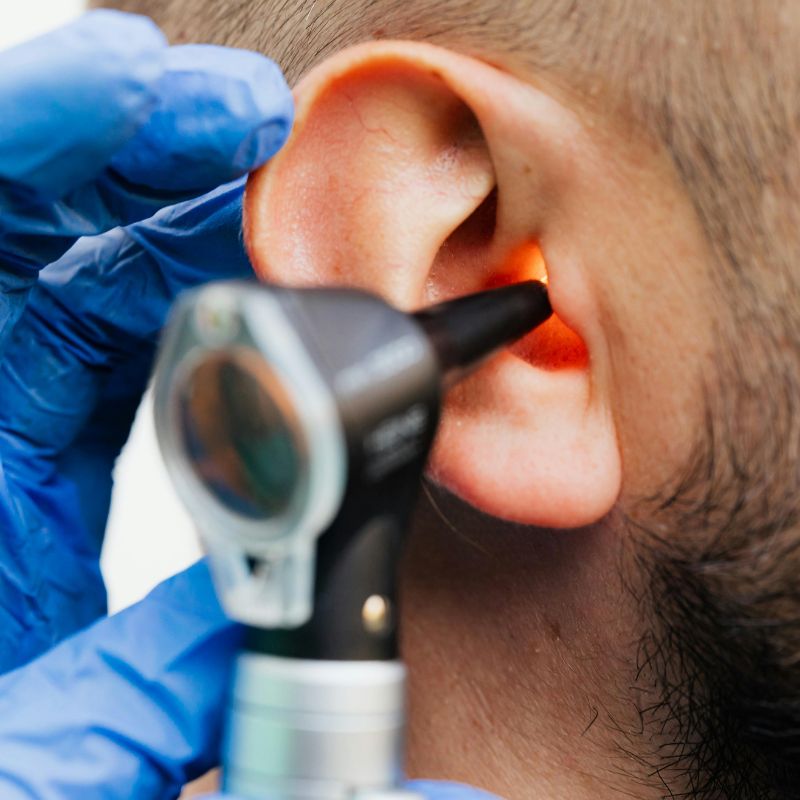
There are a few ways to safely clear a blocked ear, depending on what’s causing the problem. While some people try home remedies such as olive oil or over-the-counter ear drops to soften wax, these approaches don’t always work, especially if the earwax is impacted or if there’s another underlying cause, such as infection or fluid behind the eardrum.
At South East Hearing Care Centres, we use two professional methods that are safe, comfortable, and highly effective: ear microsuction and ear irrigation. Both are carried out by experienced clinicians using specialist equipment designed to protect the delicate structures of your ear.
| Method | How it works | Key benefits | Ideal for |
| Microsuction | A microscope is used to view the ear canal, and a fine suction instrument removes wax without water. | • Quick, comfortable, and leaves the ear dry • Suitable for perforated eardrums, grommets • Low risk of infection | Most people, including those with perforated eardrums, grommets, hearing aids or sensitive ears. |
| Irrigation | A warm stream of water is directed into the ear canal using a professional system to flush out wax. | • Safe and effective when used correctly • Improves hearing by clearing blockages • Allows full examination of the ear canal and eardrum | People with healthy eardrums and softer wax; not suitable for recent ear surgery, perforations or grommets. |
Both treatments are quick and provide instant relief from blocked ears, muffled hearing, or a feeling of fullness. Your clinician will always examine your ears first to determine which method is most suitable for you.
While microsuction is generally considered the most precise option, particularly for those with a history of ear infections, sensitive skin, or hearing aids, ear irrigation can also be very effective for certain types of earwax build-up.
If you’re unsure which option is right for you, our friendly team will explain both methods and recommend the best approach based on your ear health and comfort.
Why professional ear care matters
While some mild ear blockages may clear on their own, it’s generally best to have your ears assessed by a qualified clinician rather than trying to treat them yourself. Home methods intended to remove earwax or relieve ear blockage can sometimes do more harm than good, potentially irritating the ear canal or pushing wax deeper.
Professional ear care offers a safe, precise, and hygienic way to remove earwax and address other causes of ear blockage. Procedures such as microsuction are quick and comfortable, reducing the risk of complications and helping to protect both your hearing and overall ear health.
Summary
Blocked ears are a common problem and, in most cases, are caused by something simple, such as earwax build-up, fluid in the middle ear, or Eustachian tube dysfunction. These issues are usually temporary, but they can still lead to discomfort, muffled hearing, or occasionally ear infections if left untreated.
While some blockages clear on their own, professional ear care ensures your ears are cleaned safely and thoroughly. Techniques such as microsuction and ear irrigation provide quick, effective relief without the risks linked to home treatments or cotton swabs.
If you’re finding it difficult to hear clearly or your ears feel blocked, getting them checked by a qualified clinician can make a big difference. With the right care, most people experience improvement and a return to comfortable, healthy hearing.
Book an appointment with South East Hearing Care Centres
If your ears feel blocked or you’re struggling to hear clearly, we’re here to help. At South East Hearing Care Centres, our experienced team provides safe, gentle earwax removal using the latest techniques to restore comfort and clarity.
There’s no need to put up with discomfort, professional care is quick, effective, and completely tailored to you. Whether your blockage is caused by earwax, fluid, or another issue, we’ll assess the cause and recommend the right solution for your ear health.
Book your professional earwax removal today, or contact us to help us advise on which of our services may work best for you.
Blocked ears FAQ
Will a blocked ear clear on its own?
In many cases, a blocked ear will clear on its own, especially if it’s caused by a mild cold, Eustachian tube dysfunction, or a temporary change in air pressure from flying. Gentle actions like swallowing, chewing gum, or taking a deep breath can help the ears equalise naturally. However, if the blockage is due to earwax build-up or an ear infection, it usually won’t resolve without treatment. If your ear feels blocked for more than a few days or you notice pain, discharge, or hearing loss, it’s best to seek professional advice.
How do I know if my ears are blocked with wax?
You may notice muffled hearing, a feeling of fullness, ringing in the ears, or mild ear pain. Sometimes, hearing aids stop working properly when wax builds up. If gentle ear drops don’t help after a few days, see a professional to avoid further earwax blockage. If you’re unsure, it’s safer to have your ears checked by a hearing specialist.
When should I see a doctor, audiologist, or hearing care professional?
You should see a doctor, audiologist, or hearing care professional if you have severe pain, discharge, a sore throat linked to ear problems, or sudden hearing loss. It’s also important to seek help if your symptoms persist for more than a few days or if you experience recurrent middle ear infections. If you wear hearing aids, regular ear checks are recommended, as wax can build up more easily. Getting professional care early helps protect your ear health and prevents long-term hearing problems.
How can I prevent my ears from getting blocked?
There are a few gentle habits that can help reduce the chances of your ears feeling blocked. It’s best to avoid cotton swabs, as these can push wax deeper into the ear canal. Some people find that using a few drops of olive oil or specialist ear drops occasionally helps to keep wax soft and moving naturally, though this isn’t suitable for everyone. Try to keep the outer ear dry after swimming or showering. If you experience frequent allergies or sinus congestion, managing these can help keep your Eustachian tubes clear. Regular check-ups or professional earwax removal can also be useful if you’re prone to earwax build-up or wear hearing aids.