Blocked ears are a common and often frustrating problem. You may notice muffled hearing, a feeling of fullness, or mild ear pressure, which can make sounds seem distant or unclear. In many cases, this is a temporary blockage that clears on its own. However, there are times when blocked ears signal an underlying issue that needs attention from a healthcare professional.
Often, people experiencing blocked ears are unsure whether their symptoms warrant waiting it out or seeking a professional assessment. This guide will help you understand what’s happening inside your ears, recognise warning signs, and know when it may be helpful to seek advice, whether symptoms are ongoing, unclear, or simply causing concern.
For trusted advice and personalised care, use our online form to book an appointment with the team at South East Hearing Care Centres.
You can also book by calling your local branch: Horsham on 01403 218 863, Chichester on 01243 774 536, Bexhill on 01424 733 030, Eastbourne on 01323 726 352, or Seaford on 01323 899 655.
What does a blocked ear feel like?
Blocked ears can feel different from person to person and may affect one or both ears. Common sensations include:
- Muffled or reduced hearing
- A feeling of fullness or pressure
- Sounds that seem distant or echoey
- Mild discomfort or sensitivity
- Occasional popping or crackling
- A sensation that your ears feel blocked, especially after pressure changes
These symptoms may come and go or worsen over time. If you wear hearing aids, blocked ears can sometimes be linked to wax trapped in the ear canal. A sudden change in sound quality or new whistling/feedback may suggest impacted earwax rather than a device fault.
While mild discomfort is often harmless, persistent symptoms should never be ignored, especially if they interfere with daily life.
What are the common causes of blocked ears?
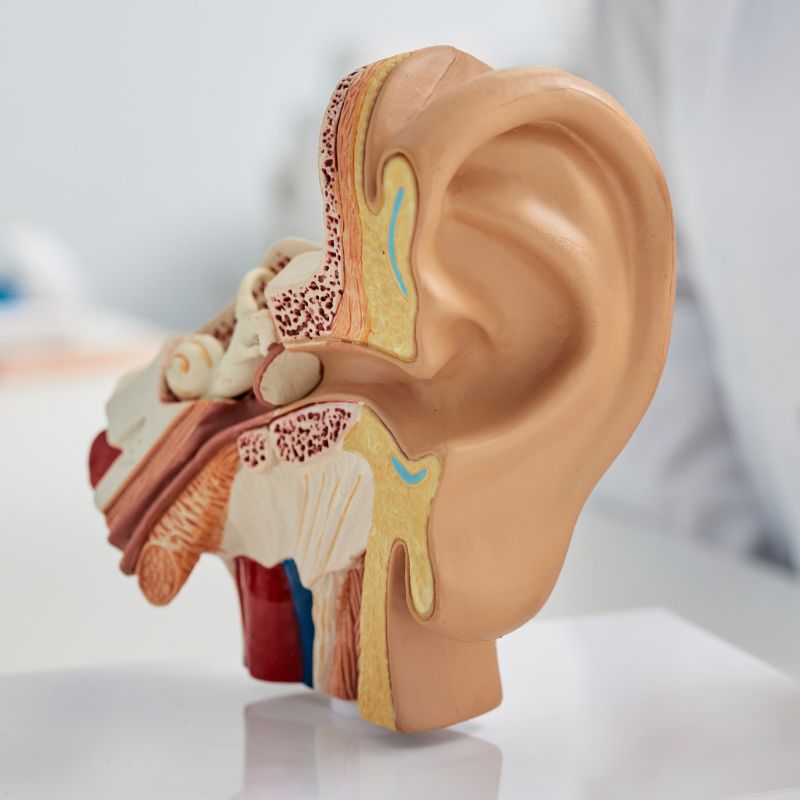
To understand blocked ears, it helps to know where that “blocked” sensation is coming from. Your hearing system has three main areas, and a problem in any one of them can cause muffled hearing, ear pressure, or a feeling of fullness, sometimes in one or both ears.
- Outer ear – includes the visible ear and the ear canal
- Middle ear – the air-filled space behind the eardrum
- Inner ear – helps with hearing signals and can also affect balance
When something interrupts how sound or pressure moves through these areas, your ears feel blocked. Here are the most common ways this happens:
Blockage in the ear canal
The ear canal is narrow and delicate, and it’s easy for it to become obstructed. The most common cause is earwax buildup, which can progress to an earwax blockage (cerumen impaction) when the wax becomes tightly packed. This often leads to reduced hearing in the affected ear, and people may notice sound becoming dull or “underwater.”
Other causes include:
- Trapped debris
- Foreign objects
- Irritation that swells the canal (for example, in otitis externa)
Hearing aids can also contribute to earwax buildup by trapping wax in the ear canal. If your hearing aid suddenly sounds weaker or starts whistling, the cause may be impacted earwax rather than the hearing aid itself.
You can find more information on earwax buildup on our earwax removal services page, which explains both professional microsuction and irrigation treatment options.
Pressure changes affecting the middle ear
If your symptoms start after flying, driving at altitude, or during a cold, the problem is often pressure-related. The eustachian tube is a small passage that helps equalise pressure in the middle ear. When it becomes blocked, commonly due to colds, allergies, viral infections, or sinus infections, it can lead to eustachian tube dysfunction.
This can cause a persistent “plugged” feeling, popping, or ongoing ear pressure that doesn’t settle even after swallowing or taking a deep breath.
Fluid or infection in the middle ear
Sometimes the middle ear fills with fluid, particularly during or after a cold, which can prevent sound from travelling normally and create a lasting blocked sensation. This may happen with or without infection, but middle ear infections can add symptoms like ear pain, worsening pressure, fever, or a general feeling of being unwell.
If fluid doesn’t drain naturally, the sensation may continue for days or weeks, and if symptoms persist, it’s worth arranging a professional assessment.
Inner ear involvement (less common, but important)
Most blocked-ear sensations are not caused by the inner ear, but inner-ear issues can sometimes feel like pressure or fullness and may come with dizziness, vertigo, or balance symptoms. If a blockage is accompanied by sudden hearing changes or significant dizziness, it’s a strong sign to seek help promptly.
How long should a blocked ear last?
A blocked ear caused by pressure changes (such as flying) or mild congestion often settles within a few hours and, in many cases, improves over a couple of days. If it’s a temporary blockage and you notice things gradually easing – less ear pressure, clearer hearing, fewer pops or crackles, that’s generally reassuring.
It may be time to seek advice if:
- The blockage lasts more than a few days with little or no improvement
- Symptoms worsen rather than settle
- You have persistent blockage or ongoing discomfort in the affected ear
- Your hearing doesn’t return to normal, or you notice new muffled hearing
If symptoms persist, a professional assessment can help identify the cause and get you the right support sooner, often preventing the problem from lingering or becoming more uncomfortable.
Common blocked ear treatments at home
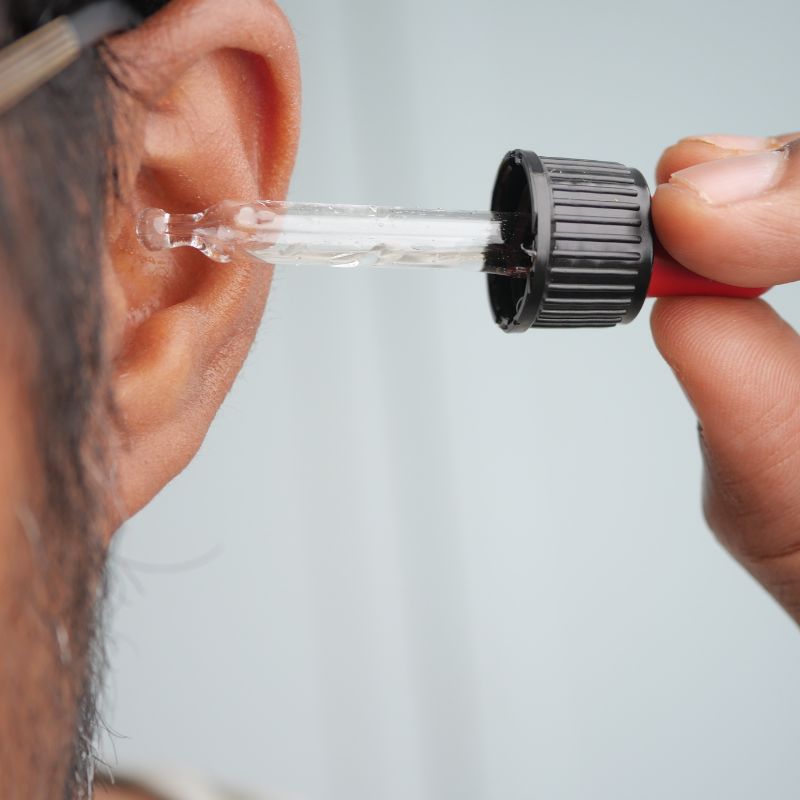
When blockages are mild and short-lived, people often try a few simple things home remedies to provide relief from blocked ears, particularly when it seems linked to pressure changes or a minor cold. Everyone’s ears are different, so what feels helpful for one person may not suit another, and it’s sensible to be cautious if you have ear pain, discharge, or a history of ear surgery.
Things people commonly try
- Swallowing, yawning, or chewing to help the eustachian tube equalise pressure
- Gentle steam inhalation or a hot shower to ease congestion that may be contributing to ear pressure
- Over-the-counter nasal sprays used for blocked noses (some people find these help if congestion is affecting the middle ear)
- Ear drops intended to soften earwax (often just a few drops) if earwax buildup seems likely
Some people also use drops to loosen wax. If you’re considering this, it’s worth being especially careful, as they aren’t suitable for everyone and should be avoided if there’s ear pain, a suspected infection, or any previous ear surgery.
Things to avoid
- Cotton buds/cotton swabs or anything inserted into the ear canal
- Ear candles (these are widely considered unsafe and don’t reliably remove wax)
- Repeated “home flushing” or rinsing without professional guidance
- Strong or aggressive home remedies that could irritate the outer ear or damage the ear canal
Trying to remove earwax yourself can sometimes push wax deeper, increase irritation, or make an earwax blockage worse, especially if you already have impacted earwax or you’re dealing with cerumen impaction. If symptoms persist or you’re unsure what’s causing the blockage, a healthcare professional can check the ear safely and advise on the most appropriate next step.
When to get professional help for blocked ears
While many blocked ears clear on their own, there are times when having your ears checked is the most helpful and reassuring next step. You may wish to book an appointment if:
- The blockage lasts longer than a few days or keeps returning
- You have persistent or worsening ear pain, including sharp pain
- You notice ongoing discharge or swelling from the ear
- You experience continuing dizziness or balance problems
- Your hearing doesn’t return to normal or feels noticeably reduced
- Hearing aids suddenly sound weaker or begin to whistle or feedback
- You suspect impacted earwax or an ear infection
- Symptoms are affecting daily life or causing ongoing concern
- You’re unsure what’s causing the blocked sensation
Even if none of the above apply, it can still be worth seeking professional advice if you feel worried, would like reassurance, or simply want a clearer understanding of what’s going on.
If you experience sudden hearing loss, significant bleeding from the ear, or severe dizziness, it’s important to seek urgent medical advice.
How professional assessment and treatment can help blocked ears
A professional assessment is a safe, straightforward way to find out what’s causing your blocked ears. Checking the ears properly also helps rule out less common issues, so you’re not left guessing.
Depending on what’s found, support and treatment may include:
- Professional earwax removal where wax is causing an earwax blockage or cerumen impaction
- Ear irrigation using controlled water flow (when appropriate) to help remove excess earwax safely
- Practical guidance on how to prevent earwax buildup, particularly if you’re prone to excess earwax or use hearing aids
- Advice on managing pressure-related symptoms, including ear pressure linked to the eustachian tube
- Support and signposting if symptoms suggest inflammation or infection, such as otitis externa or middle ear infections
- Help for hearing aid users, including checking for wax-related changes in sound quality and ensuring devices are working as they should
Professional care means the affected ear can be thoroughly examined, wax can be safely removed when needed, and any underlying causes are identified early, so you can take the most appropriate next steps with confidence.
Summary
Blocked ears are a common experience and are often linked to temporary causes such as pressure changes, congestion, or earwax buildup. In many cases, symptoms ease on their own, especially as hearing gradually improves, and the feeling of fullness or pressure subsides. Understanding how long a blocked ear typically lasts, and recognising common causes, can make it easier to judge what’s normal and what may need closer attention.
However, when symptoms persist, worsen, or begin to affect hearing, balance, or everyday life, it’s important not to ignore them. Even if you’re simply unsure what’s causing the problem, or you’d like reassurance and clearer insight into what’s going on, seeking professional advice can help identify the cause early and guide the most appropriate next steps.
Book an appointment with South East Hearing Care Centres
If you’re experiencing blocked ears, ongoing discomfort, or changes in hearing, South East Hearing Care Centres can help. Our experienced team provides safe, effective care to diagnose the cause and restore comfort and hearing clarity.
You can book an appointment online or please call your nearest branch.
Frequently Asked Questions
Is earwax always the cause of blocked ears?
Not always. Blocked ears can also be caused by eustachian tube dysfunction, fluid in the middle ear, or an ear infection, such as otitis externa or a middle ear infection. A quick check can confirm the root cause, especially if the affected ear feels consistently blocked.
Can I prevent earwax buildup?
You can often prevent earwax buildup by avoiding cotton buds/cotton swabs, which tend to push wax deeper into the ear canal and contribute to cerumen impaction. If you’re prone to excess earwax or use hearing aids, regular ear checks can help you prevent earwax from becoming a recurring problem.
Is professional earwax removal safe?
Yes, professional earwax removal is a safe, controlled way to remove excess earwax, particularly when wax is impacted. Depending on your ear and medical history, a clinician may use a suction device, manual removal, or ear irrigation to safely clear an earwax blockage.