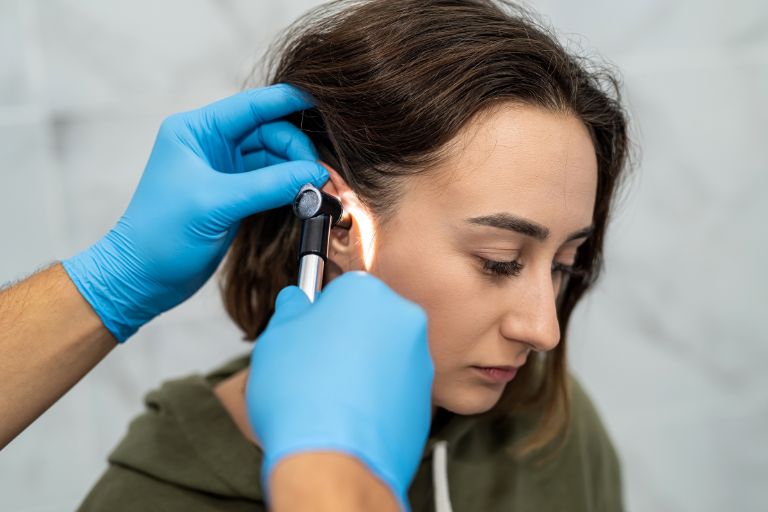
Ear health is something many people don’t think about until discomfort, reduced hearing, or an ear wax blockage makes it a top priority. While the ear canal is self-cleaning, ear wax can sometimes build up faster than the body can remove it. When this happens, safe and effective ear wax removal becomes essential – and choosing the right method can make all the difference. Among modern options, microsuction is widely recognised as one of the most reliable ways to remove ear wax quickly and with minimal discomfort.
As a technique, microsuction ear wax removal offers precise, gentle, and immediate ear wax removal without the use of water. It’s suitable for sensitive ears, for people with perforated eardrums, and for those who have previously struggled with ear irrigation or ear syringing. It provides fast relief from blockages and reduces the risk of ear infections.
For safe, professional services at a local clinic, book a microsuction appointment with the team at South East Hearing Care Centres. Our audiologists use advanced techniques and focus on patient care and comfort.
Please contact Horsham on 01403 218 863, Chichester on 01243 774 536, Bexhill on 01424 733030, Eastbourne on 01323 726352 or Seaford on 01323 899 655.
What is microsuction?
- Uses magnification and a gentle suction device for highly precise ear wax removal
- Keeps the ears dry, making it safer than water-based methods
- One of the safest procedures for sensitive ears, perforated eardrums, and impacted ear wax
Microsuction is a modern clinical ear wax removal method designed to safely remove excess ear wax from one or both ears with exceptional precision. During the procedure, an ENT trained professional uses a high-magnification microscope or loupes to obtain a clear view of the ear canal and a gentle suction device (often compared to a tiny vacuum cleaner) to lift and clear the wax. This combination of visibility and control is a key reason why microsuction is one of the safest and most trusted forms of wax removal available today.
Unlike ear irrigation or ear syringing, which rely on flushing the ear with water, the suction device acts directly on the wax itself. This means the ears stay dry throughout, significantly reducing the risk of infection, irritation, or further complications. For individuals prone to swimmer’s ear, those with a history of ear infections, or anyone with a perforated eardrum, ear microsuction provides a reliable alternative that avoids the risks associated with water-based methods.
To discover other options, please see our list of earwax removal services.
Key benefits of microsuction for ear wax removal

Here are key reasons why microsuction ear wax removal is widely recommended as one of the safest and most effective options:
Fast and effective relief
Blocked ears can cause reduced hearing, a sensation of fullness, temporary hearing loss, and sometimes an earache. Microsuction ear wax removal works instantly: as the wax is cleared, airflow and sound return to normal. For people experiencing impacted ear wax, the relief is often noticeable within a few minutes of starting the treatment.
Unlike methods that rely on wax-softening sprays or ear drops to break down wax over several days, microsuction wax removal delivers precise, immediate results in a single appointment.
One of the safest methods available
If your ears feel blocked after a cold, allergy flare-up, or sinus infection, it could be due to fluid trapped in the middle ear, thThe method is widely recommended by ENT specialists because microsuction is a safe and dry procedure. As with all medical procedures, there are potential risks involved with microsuction, however, these risks are very rare. Your clinician will discuss them with you prior to the procedure.
It’s also suitable for patients who cannot undergo ear irrigation, including those with:
- A perforated eardrum
- A history of ear infections
- A cleft palate
- A mastoid cavity
- Previous ear surgery
Because no water is introduced into the ear canal, there’s a much lower chance of introducing infection, causing swelling, or triggering faint spells.
Precision through magnification
During the microsuction procedure, the clinician uses high-quality magnification to clearly view the ear canal. This visibility allows them to target only the wax and avoid sensitive structures like the eardrum.
This precise approach is beneficial for:
- Impacted ear wax
- Narrow ear canals
- Patients with a hearing aid, where ear wax buildup is common
- Wax located close to the eardrum
The level of control it provides makes the method both highly effective and notably gentle.
Comfortable, approachable method for most ages
Unlike ear syringing, which can feel forceful, unpredictable, or messy, microsuction is known for being a comfortable, controlled way to remove wax. Most people describe the sensation as a gentle “whooshing” sound or a light pull, with only minimal discomfort that eases as the wax is cleared.
Due to its precision and gentle approach, microsuction works well for many groups, from older adults with delicate ears to children who may be prone to wax issues. Its consistency and predictability make it a reassuring choice, especially for those who feel nervous about ear wax removal. Clinicians will always assess suitability to ensure it is the best and safest option for each individual.
Ideal for sensitive or high-risk ears
Some ears require particularly careful management, and microsuction is often recommended for individuals with a history of:
- Ear infections
- A perforated eardrum
- Narrow ear canals
- Chronic eczema or dermatitis in the ear canal
- Past ear surgery
As microsuction uses a specialist suction device and avoids moisture entirely, it reduces irritation, lowers the risk of further complications, and offers a safer alternative to water-based treatments.

Suitable for hearing aid users
Wearing a hearing aid can cause more wax to accumulate, as the device may interrupt the ear’s natural self-cleaning movement. This can lead to ear wax build-up, feedback, or impacted ear wax.
Routine microsuction ear wax removal can help:
- Improve overall hearing aid performance
- Reduce whistling or feedback
- Prevent foreign bodies (wax blockages) from disrupting sound quality
- Avoid the need for unnecessary repairs or device adjustments
Many hearing aid users choose regular ear wax removal treatment to keep everything functioning as it should.
Works well even if wax is hard, dry, or stubborn
Ear wax varies significantly depending on age, hydration, genetics, and environment. Wax may be particularly dry or firm in older adults or in those who regularly wear earbuds or hearing aids.
The suction device used in microsuction can effectively remove:
- Dry flakes
- Hard plugs
- Sticky or dense wax
- Deeply embedded ear wax blockages
With full visibility of the ear canal, the clinician can navigate around sensitive areas safely and efficiently.
Minimises risk of infection
As the procedure is dry and performed with sterile equipment, it drastically reduces the risk of introducing bacteria into the affected ear. This is especially beneficial for individuals with:
- Recurrent ear infections
- Swimmer’s ear
- Canal inflammation
- Sensitivity to moisture
Keeping the ears dry is one of the key reasons microsuction is one of the safest options for ear wax removal.
Allows you to resume normal activities quickly
After microsuction, most people can return to their normal activities immediately. It’s recommended to keep the ear dry for 24 hours, but there is no recovery time, and typically no lingering discomfort. This convenience makes microsuction ideal for busy schedules and anyone seeking fast, effective relief.
In rare cases, some individuals may experience slight tenderness or a brief feeling of dizziness, but these side effects typically pass quickly.
Avoids the risks of home methods
Many people try to clean their ears with cotton buds, but this can accidentally push wax deeper into the ear canal, leading to impacted ear wax or irritation. As the ear is delicate, inserting objects into it may also increase the risk of discomfort or minor injury.
Some at-home approaches, such as frequent use of ear drops or ear wax softeners, may help loosen wax, but they are not always effective for deeper or more stubborn blockages. When wax becomes too firm or persistent, professional microsuction offers a safe, controlled, and reliable way to remove it without the risks associated with DIY methods.
Who can benefit from microsuction?
A wide range of people can benefit from microsuction, particularly those who need a safe, precise, and comfortable method of ear wax removal.
| Who Can Benefit | How Microsuction Can Help |
| Adults and Older Adults | Ear wax tends to harden with age, increasing the risk of impacted ear wax. Microsuction remains gentle while still providing a thorough clean. |
| Hearing Aid Users | Hearing aids can trap wax and contribute to ear wax buildup. Microsuction can improve device comfort and performance. |
| People Prone to Ear Infections | As the procedure keeps the ear canal dry, it reduces irritation and lowers the risk of ear infections. |
| Individuals With Sensitive Ears | Those who cannot tolerate ear irrigation or who experience pain with syringing typically find microsuction significantly more comfortable. |
| Children and Teens | Safe, quick, and minimally invasive, microsuction is well-suited to younger patients who may feel anxious about ear treatments. |
How to prepare for a microsuction appointment
Preparing for microsuction ear wax removal is straightforward, and a few simple steps can help ensure the procedure is as quick and effective as possible:
- If advised by your clinician, use ear drops or olive oil for a couple of days beforehand to soften ear wax build-up.
- Avoid inserting cotton buds or any other objects into the ear canal, as this can push wax deeper and create impacted ear wax.
- Inform your clinician if you have recently experienced an infection, undergone ear surgery, or had symptoms of a perforated eardrum.
At South East Hearing Care Centres, our clinicians will assess your hearing and recommend the most appropriate method of ear wax removal for your needs. In addition to providing microsuction wax removal, we also offer professional ear irrigation when it is the better option for your situation.
Summary
Microsuction offers fast, precise, and comfortable ear wax removal, using magnification and a specialist suction device to clear the ear canal without water, significantly reducing the risk of infection, irritation, and further complications. It’s one of the safest options for people with sensitive ears, a perforated eardrum, recurring ear infections, or those who wear a hearing aid and experience frequent ear wax buildup.
With quick results and minimal discomfort, microsuction is a reliable and highly effective way to maintain clear, healthy ears.
Book an earwax removal appointment today
If you’re experiencing ear wax blockages, discomfort, or reduced hearing, the expert clinicians at South East Hearing Care Centres are here to help. Our team uses the latest technology to ensure safe, thorough wax removal so you can get back to your day with clear, comfortable ears.
Book an ear wax removal appointment at one of our local clinics, or for more information, don’t hesitate to contact us.
Microsuction FAQ
Is microsuction safe for everyone?
Microsuction is one of the safest methods of ear wax removal and is suitable for most people, including those with perforated eardrums or previous ear surgery. As it is a dry method, the chance of infection is extremely low. There is only a small risk of irritation or minor side effects such as slight dizziness or mild discomfort. In the hands of a trained professional, complications are rare.
Does microsuction hurt?
Most patients find the procedure comfortable, often describing only a gentle pulling or whooshing sensation. Any discomfort usually comes from the pressure of the wax itself rather than the procedure. Once the ear wax is removed, the ear typically feels clearer and more comfortable. Sensitive ears may feel briefly ticklish or cool, but this passes quickly.
How long does a microsuction appointment take?
Appointments can take around 20 minutes per ear, depending on the amount of ear wax buildup. As no water is used, there’s no drying time afterwards, and you can return to normal activities straight away. If the wax is particularly impacted, the clinician may recommend using softening drops before a follow-up visit. Even in these cases, the overall process remains quick and efficient.